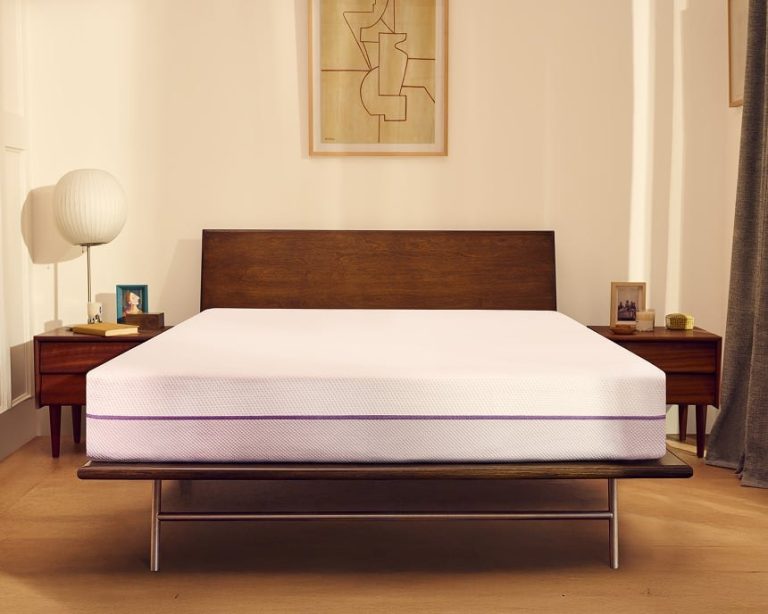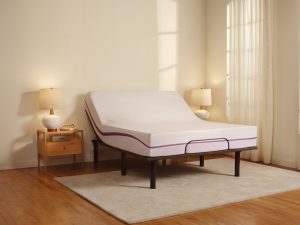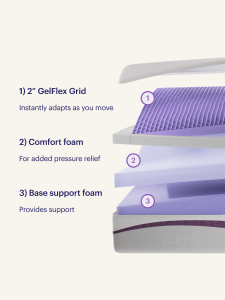




“If you sleep hot, choose a bed whose top layer keeps moving heat away, such as a gel grid, latex or phase-change foam over coils, and use the home trial to judge it through a warm spell before you decide.”
What makes a mattress sleep cool
Heat builds up in bed when nothing carries it away, and it costs you sleep. A review of thermal sleep research by Okamoto-Mizuno and Mizuno in the Journal of Physiological Anthropology (2012) found that heat exposure increases wakefulness and reduces deep sleep and REM sleep, and that humid heat makes it worse. Normal sleep goes with a bed climate of about 90 to 93 °F (32 to 34 °C) at 40 to 60% relative humidity, so a cooling mattress has to move heat and let moisture escape.
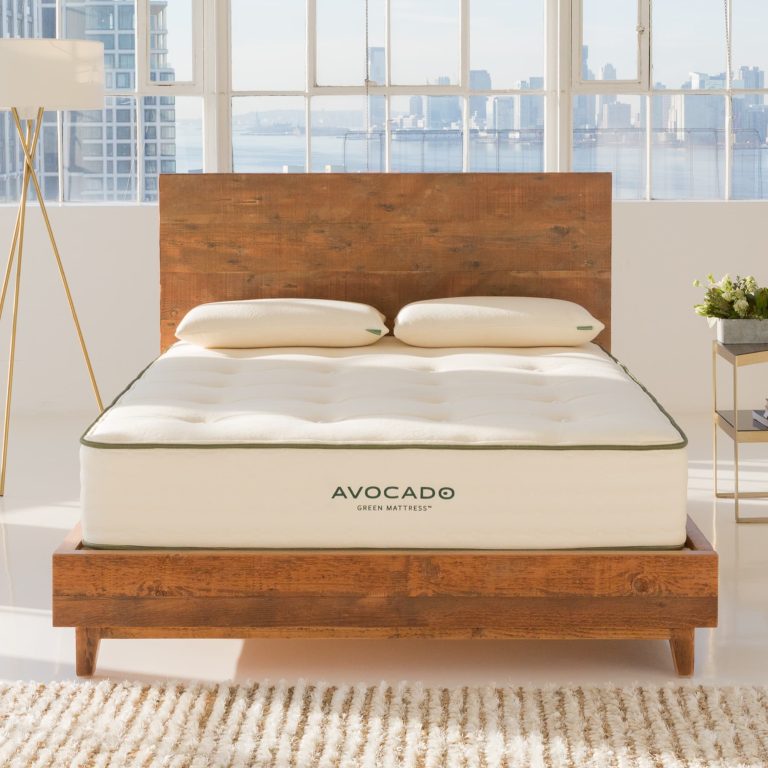
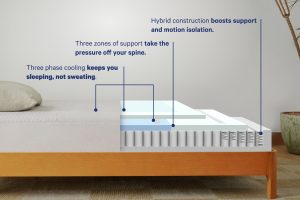
Construction does most of that work. Consumer Reports measures heat retention by setting a copper plate heated to 98.6 °F on each mattress for 10 hours and recording how much energy keeps it warm. Chris Regan, who oversees its mattress tests, told readers in 2021: “You’re more likely to sleep warm on a foam mattress, even when compared to a hybrid innerspring” (Consumer Reports, via Yahoo News). That is why most picks here have coils, and why our best hybrid mattresses comparison overlaps with this one.
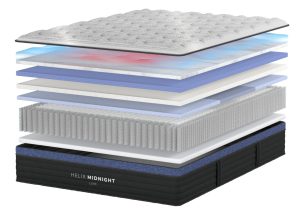
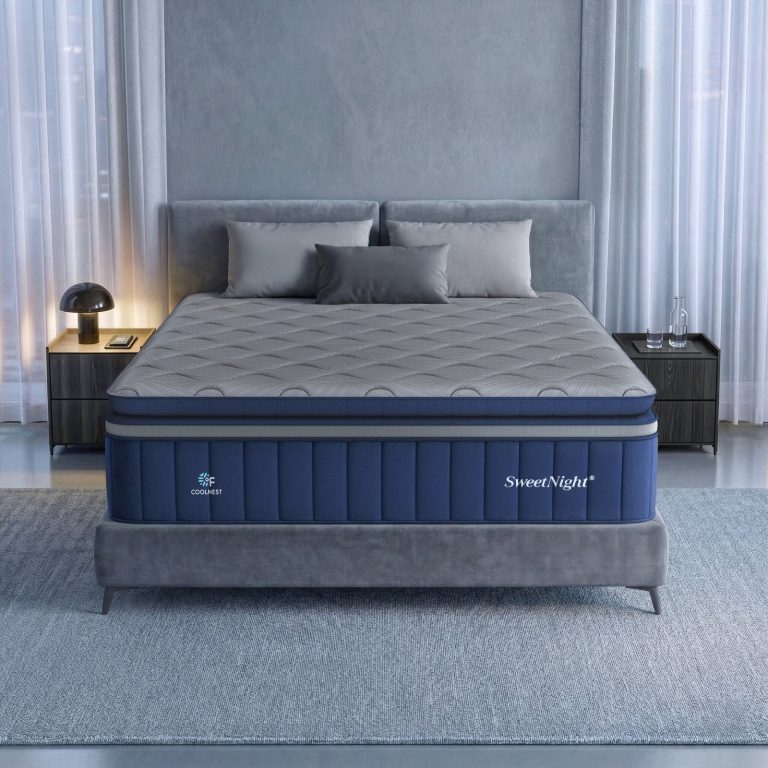
Cool to the touch or cool all night
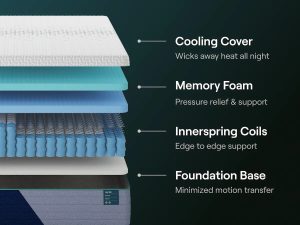
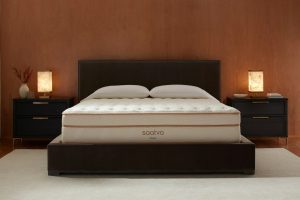
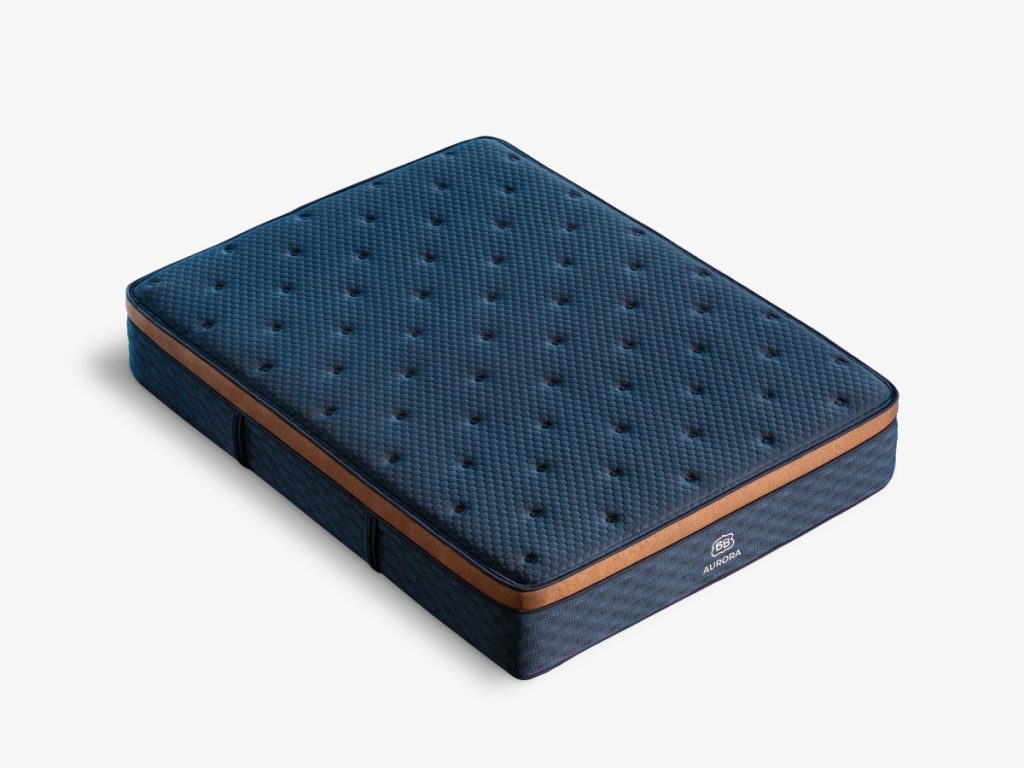
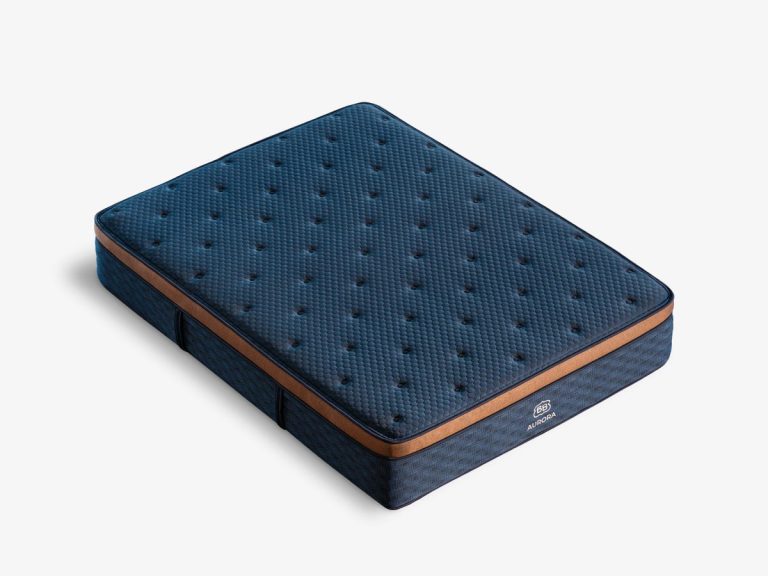
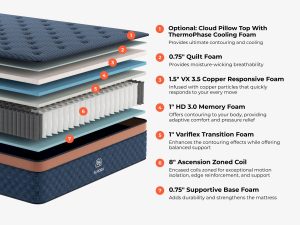
A cool-feeling cover or a phase-change coating does its best work in the first minutes, until it warms to your skin. What keeps you comfortable in the small hours is a path for heat to keep leaving the bed through coils, a grid, latex or conductive bands. RTINGS measures the heat a mattress draws away over a full night, and three picks here have a published RTINGS cooling score, given on their cards.
Match the cooling to how you sleep
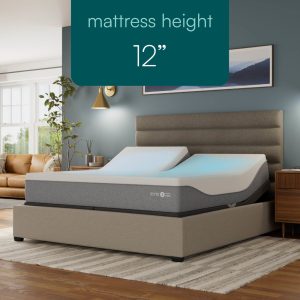
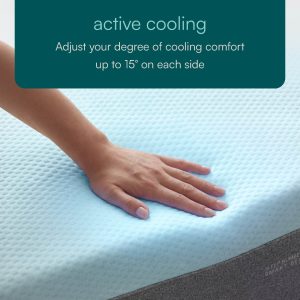
Side sleepers need a softer top so shoulders and hips can sink in, and soft foam is exactly where heat collects. Look for phase-change foam, a gel grid or a pillow top over zoned coils. Back and stomach sleepers can take a firmer hybrid or innerspring, which sleeps cooler by design because you lie on it more than in it. For couples where only one partner runs hot, a bed that cools each side separately is the one real fix; every passive mattress here cools both sides the same way.
Night sweats and hot flashes
If you wake up damp, moisture matters as much as heat. Latex with a wool layer and covers made with cotton or TENCEL handle sweat better than a synthetic knit over dense foam. Keep the benefit with a breathable mattress protector, since a vinyl-backed one traps heat right under you, and choose light cotton or linen sheets.
Budget and trial
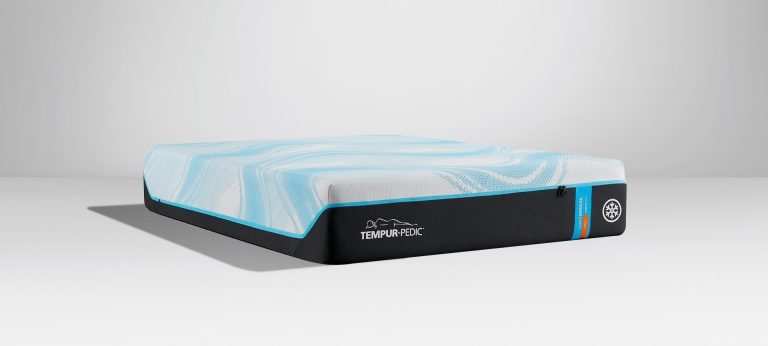
Cooling mattresses run from about $500 to more than $5,000 in a Queen, and most of that gap pays for materials and for active systems. A long trial matters more here than on most mattress purchases, because heat problems show up over weeks and seasons. Several picks offer 365 nights; Tempur-Pedic gives 90, so test a TEMPUR bed early and on warm nights.