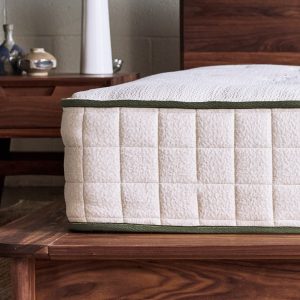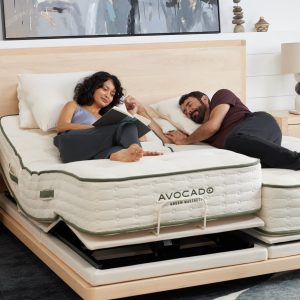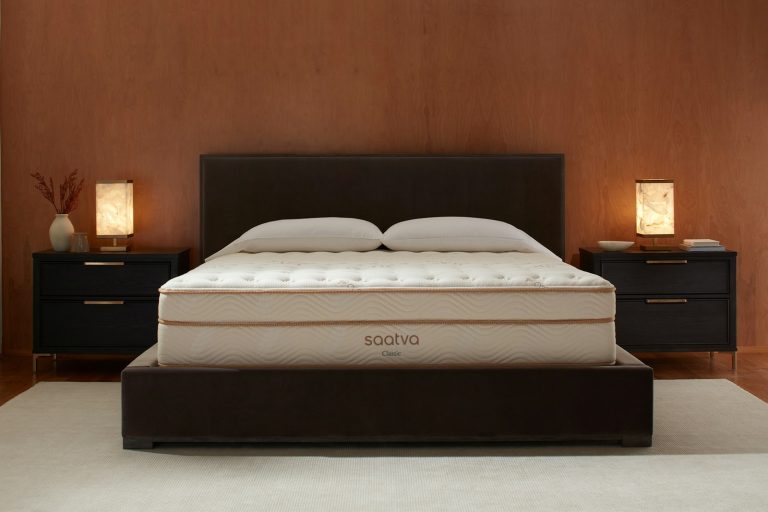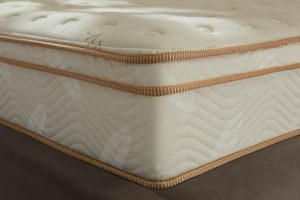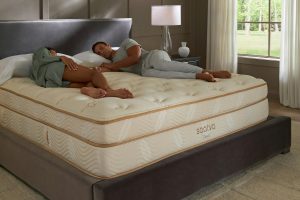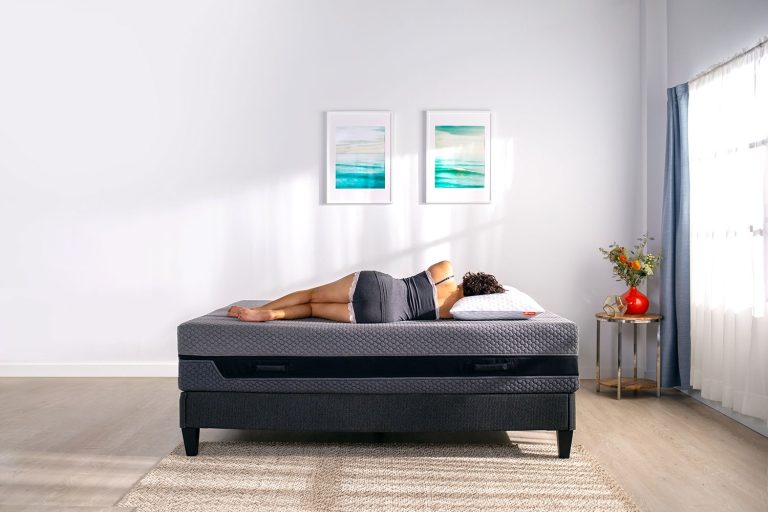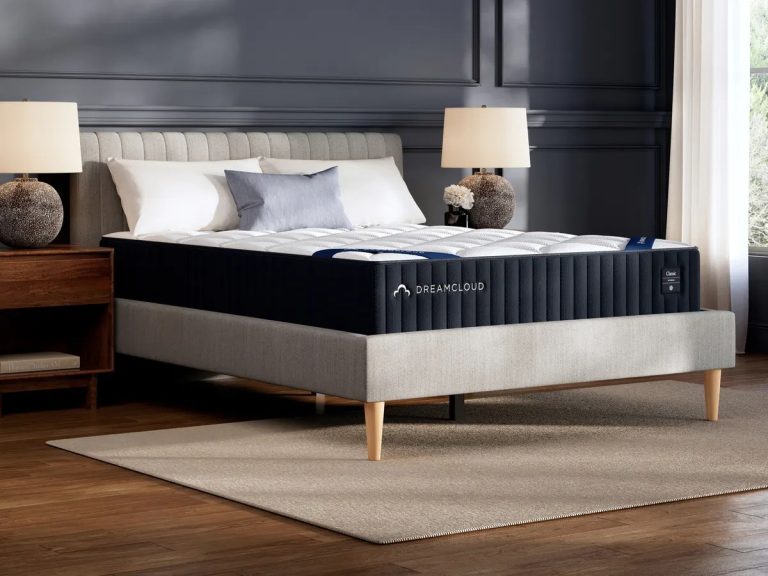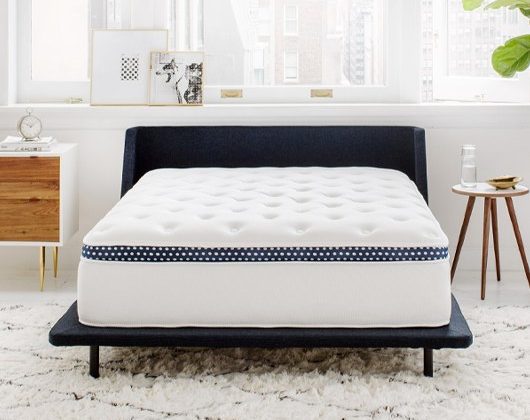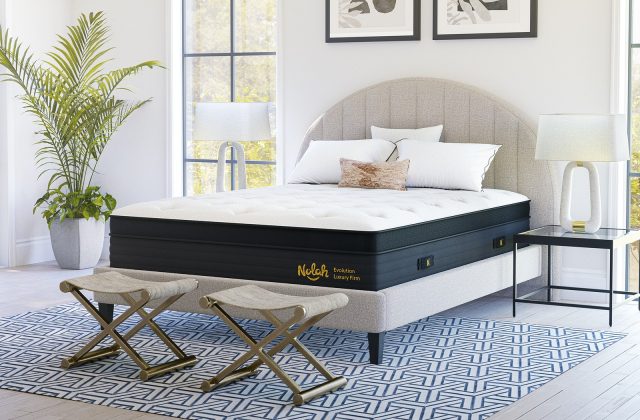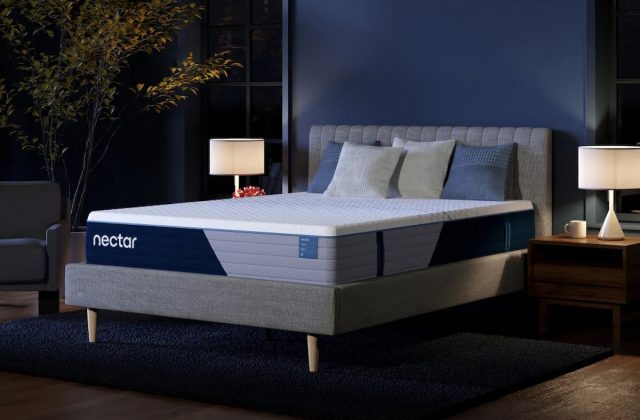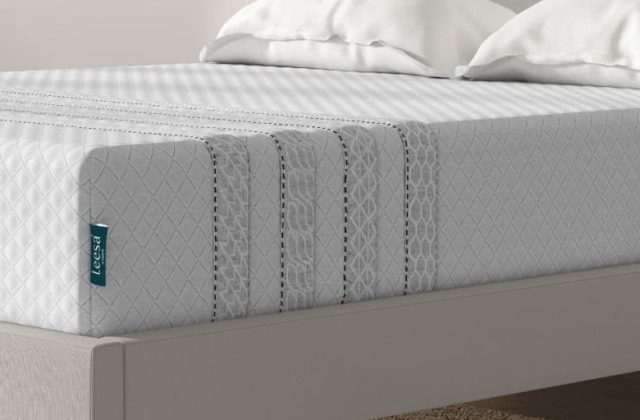


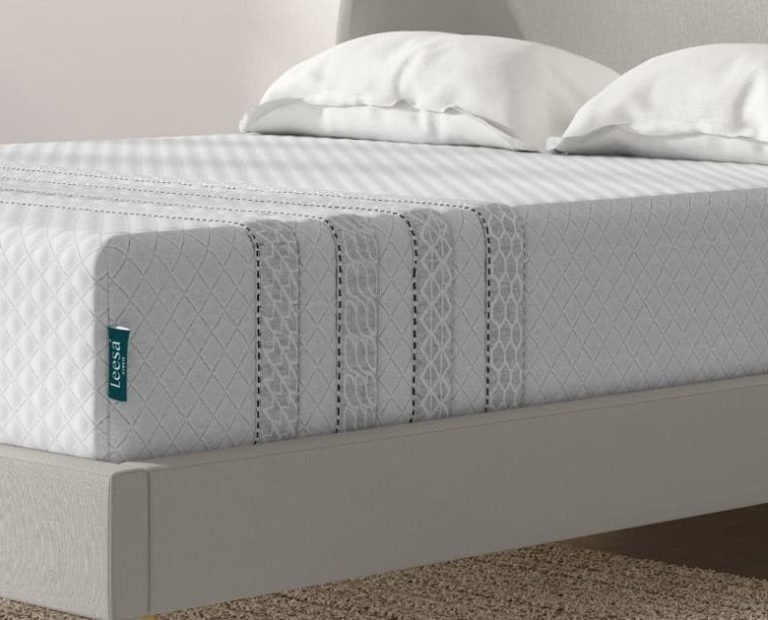
“On a Full, pick a mattress with firm edges, because the edges decide how much of the 54-inch width you can actually sleep on.”
Who a Full suits
A Full gives one adult 16 inches more width than a Twin, enough to turn over and sprawl without the footprint of a Queen. Two adults get far less. The Better Sleep Council puts it at about 27 inches per person, roughly the width of a crib, and notes that the 75-inch length can be short for some adults.
Price the Queen before you settle
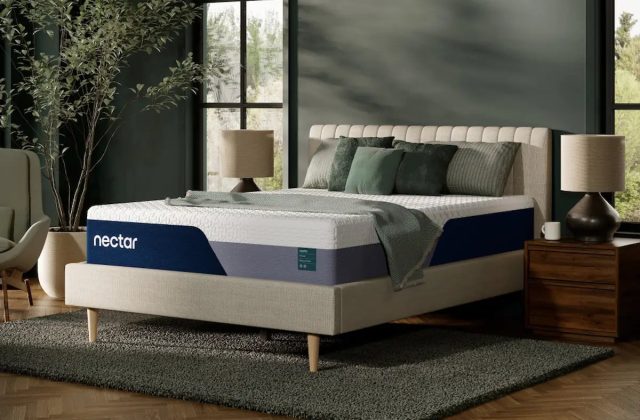
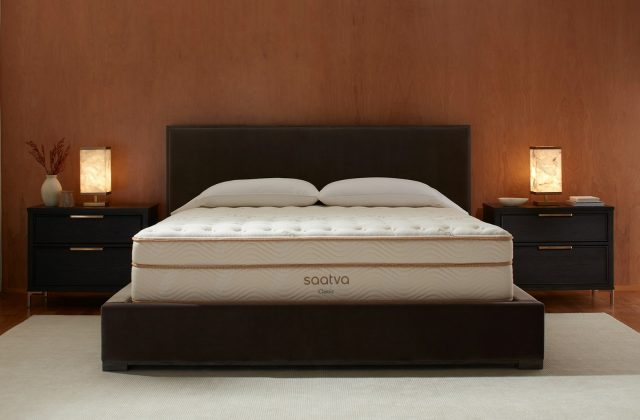
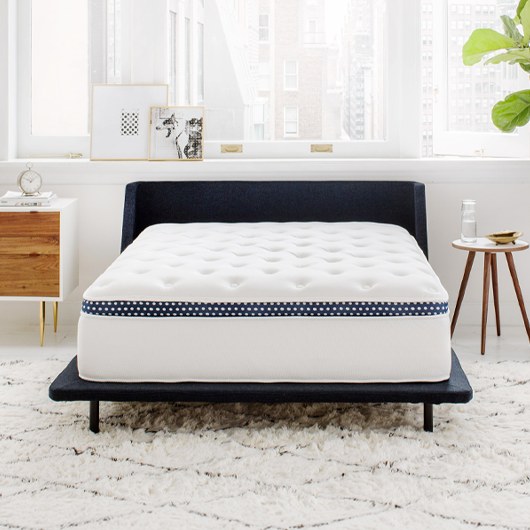
Online brands often price the two sizes closer than shoppers expect, so the Full only saves real money on some models. Here is what four picks from this page cost in each size.
If two adults will share the bed every night and the room takes a 60-inch bed, the Queen is usually the better buy, and the best queen mattresses are compared on their own page. For one sleeper, a guest room or a room where every inch of floor counts, the Full is the right size. Our overall mattress ranking compares the picks across every size.
Firmness for the people who sleep on a Full
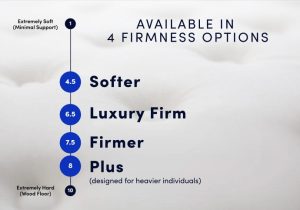
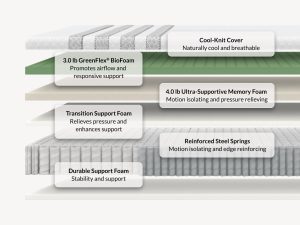
Full beds often go to teens and lighter adults, and a lighter body sinks less into the comfort layers, so a medium-firm hybrid can feel firmer to a 120-pound teen than to a heavier adult. Side sleepers do best on a medium or softer feel that lets the shoulder and hip sink in. Back and stomach sleepers need a firmer, flatter surface that keeps the hips level. Heavier sleepers should look for a firm hybrid with reinforced coils rather than an all-foam bed.
Height and the bed underneath
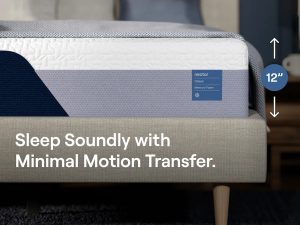
None of the mattresses on this page belongs on the top bunk of a full-over-full or twin-over-full bed unless the bunk’s label allows that thickness, and every pick here is at least 11 inches thick. The CPSC bunk bed rule requires the guardrails to stand at least 5 inches above the top of the mattress, and a mattress thicker than the label allows eats into that margin.